Psychological safety in the construction industry means an atmosphere where employees feel they can voice their opinions, ask questions, share their mistakes, and raise concerns without fear of humiliation or belittling.
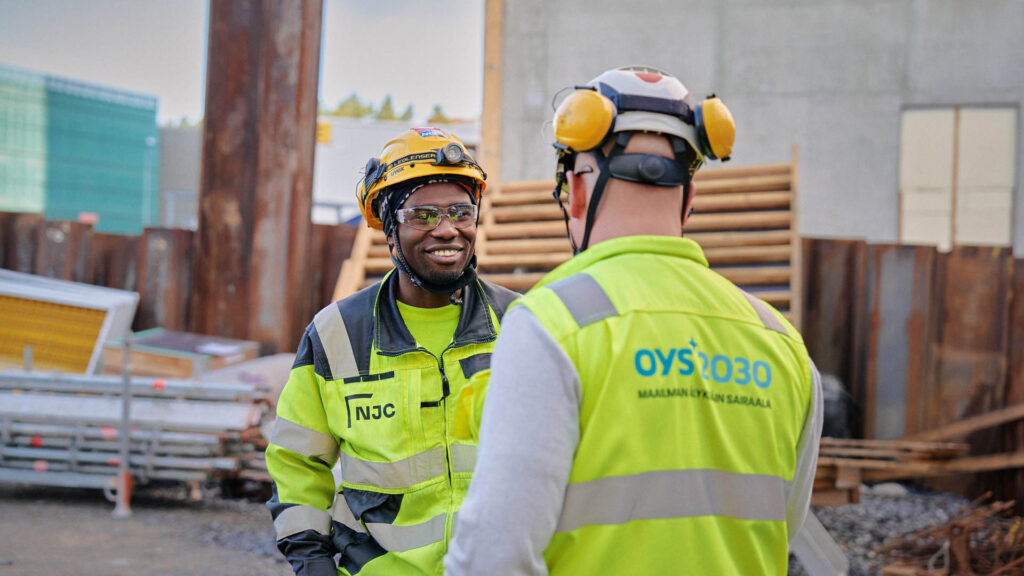
In the construction industry, this is especially important because the work environment is often physically dangerous, hierarchical, and pressurized – and mistakes can have serious consequences.
- Occupational safety: many serious occupational accidents are caused by someone not daring to say anything when they saw an error or danger.
- Quality assurance: correcting errors later is expensive – if they can be discussed in time, errors can be avoided.
- Teamwork and efficiency: a good atmosphere improves cooperation, reduces conflicts and increases work motivation.
- Labor availability and engagement: young people and professionals seek jobs where they are valued and heard.
How could psychological safety be manifested in everyday life on a construction site?
Security notifications and bug reporting. Employees should be able to report, for example, dangerous situations, deficiencies or errors without fear of blame or punishment. For example, if someone notices that scaffolding has been erected incorrectly, they should be able to say so immediately, even if it reveals a colleague's mistake.
Open discussion culture on the construction site. Construction projects are often a multidisciplinary collaboration – open communication between different professionals (e.g. foreman, designer, subcontractor, worker) is vital. A psychologically safe atmosphere helps prevent misunderstandings and enhances the flow of information.
Meetings and feedback sessions. Employees should be able to make suggestions for improvement, ask questions or question solutions, for example in weekly meetings. Feedback should be given both up and down the hierarchy – this is often challenging if there is no psychological safety.
The role of leadership. The attitude of site supervisors (such as foremen or supervisors) towards mistakes and feedback directly affects whether employees dare to be open. For example, humble leadership and a listening attitude build psychological safety.
Cultural differences and diversity. The construction industry often employs multicultural teams. In a psychologically safe atmosphere, everyone feels heard and treated equally, regardless of language and cultural background.
Not a soft bonus, but a tough competitive factor
Psychological safety is not a soft bonus, but a tough competitive factor. It strengthens the attractiveness of the entire industry when people dare to be themselves, to express their thoughts, to ask and question. This creates better solutions, i.e. a safer and more sustainable construction culture.

Kati Kuoksa
Regional expert
kati.kuoksa@rt.fi +358 50 438 3235Talonrakennusteollisuus ry, Turku regional office, Southwest Finland and Satakunta
Write a comment