The building industry of Eastern Finland district celebrated its 50th anniversary with an invited guest in Kuopio's Puijonsarve with more than a hundred participants. The history of the district was also announced at the celebration.

The material for the work entitled "Together building more than half a century" was mainly compiled by the previous regional manager Veikko Matikainen, written by Without glue and folded Annika Käyhkö.
The Itä-Suomen piiri ry of the building construction industry began its operations at the beginning of 1973 as a district of the Finnish Construction Industry Association. The operational area was the counties of Kuopio, Mikkeli and North Karelia - the current provinces.
The development of house building in Eastern Finland over five decades is reflected in historical themes: in the 1970s "Battles for work", in the 1980s "From Kekkoslovakia to casino economy", in the 1990s "Carpet underfoot", in the 2000s "The birth of RT", in the 2010s "Occupational safety, responsibility and digitalization as trendsetters in construction" and "Black swans" in the 2020s.
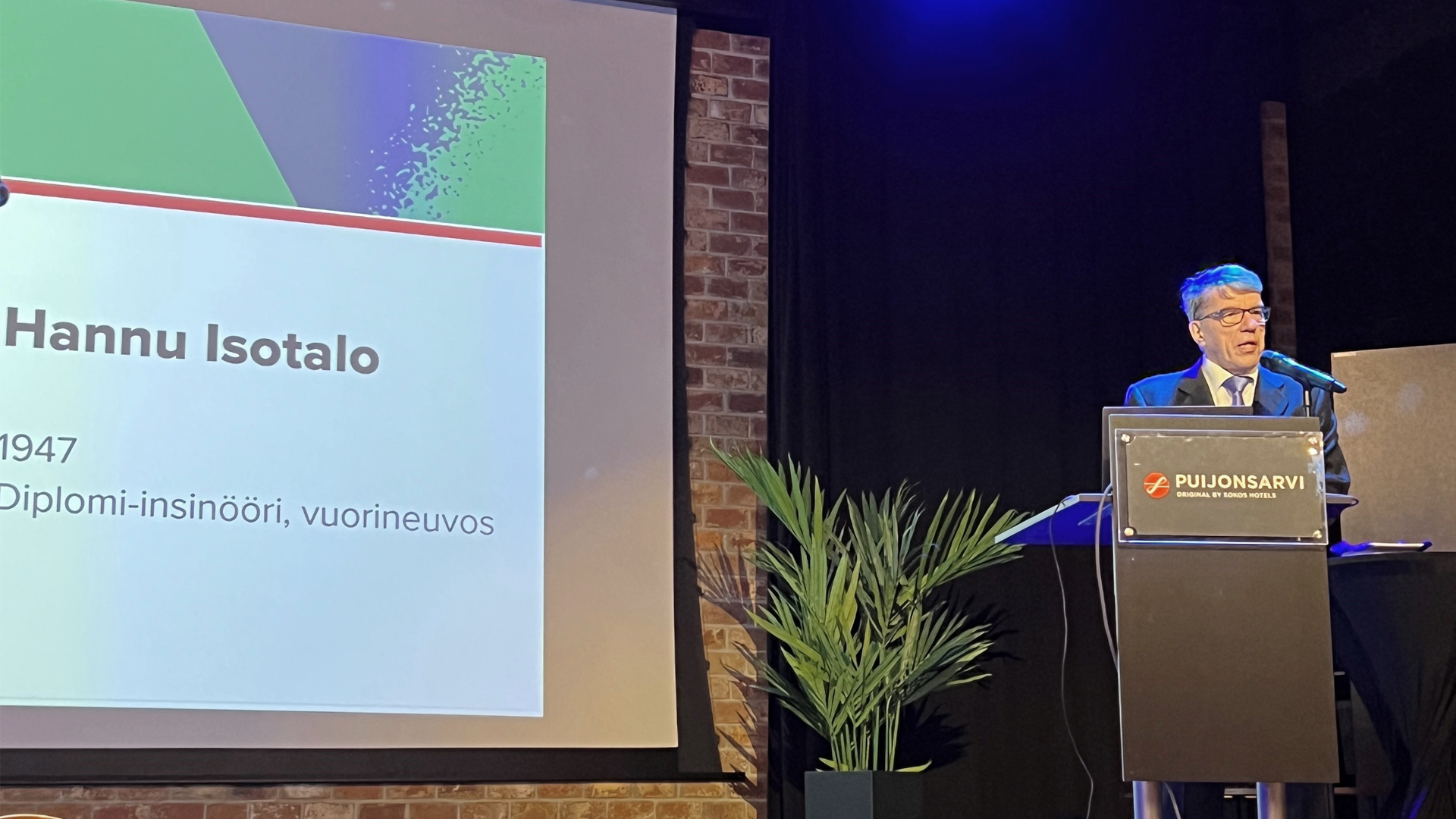
Also party speaker, mountain advisor, dipl.ins. Hannu Isotalo told about five decades of development in the construction industry, starting with the employer-employee confrontation of the 1970s and progressing to today's contract-based activity, where strikes have become increasingly rare. According to Isotalo, the change began in the recession years of the turn of the 1980s and 90s, which severely affected house building, causing unemployment and concentration in the industry.
The establishment of the State Housing Fund ARA in order to revive the production of affordable rental housing and alleviate the housing shortage marked a major change in housing policy. Regional construction agreements between municipalities and builders also increased housing production in the late 1970s. Since then, the regional construction system was dismantled and construction contracts were opened to free competition and self-based contracting by construction firms, i.e. groundwork.
In Isotalo's opinion, the attention paid to construction quality and occupational safety accelerated in the late 1990s, and the introduction of information technology to construction sites in the 2000s. Foreign labor also increased on construction sites and subcontracting became more common. New contracting models have appeared especially in the current decade. The increase in standards governing construction has created cost pressures for builders and this has been reflected in housing production. Normisto could also afford unification, clarification and lightening.
"Renovation activities started to grow in the 2000st century, when it became necessary to carry out line renovations or smaller renovations to buildings from the 1950s and 60s. Renovation activities have smoothed out cyclical fluctuations in construction, but the repair debt continues to grow. Renovation would now be a significant help in maintaining business and employment after the new construction freezes."
The importance of vocational training in the construction industry was noticed in the 2000st century, when there was a shortage of construction foremen and work management in general due to the decline in previous education. The issue has been rectified after the university of applied sciences level foreman training was restarted in Eastern Finland. The cooperation between construction companies and educational institutions is increased by the aging of builders and the need to arouse young people's interest in construction.
Hannu Isotalo surmised that the current downturn in construction may continue for some time and that it is not a usual downturn but a possibly larger structural change.
"Builders have to adapt to the change in the market situation as well as the so-called to the green transition, i.e. to the ever greater consideration of environmental issues. However, the construction does not end and the boom is sometimes ahead", reminded Hannu Isotalo, who served as the district's longest-serving chairman in 1983-91.
The same necessity for renewal of the construction industry was called for by the entrepreneur from Savonlinna, who was the chairman of the district in 2007-2012 Terho Kaskinen.
Regional manager of RT Eastern Finland Kimmo Anttonen celebrate the past decades with pride.
"It is a privilege to celebrate the sustainable construction industry of global comparison with such wonderful people. Everyone who participated in the development work deserves their celebration. We also remember those who are no longer celebrating with us. The strong heritage of the construction industry lives on and develops all the time in a safer and more sustainable direction."
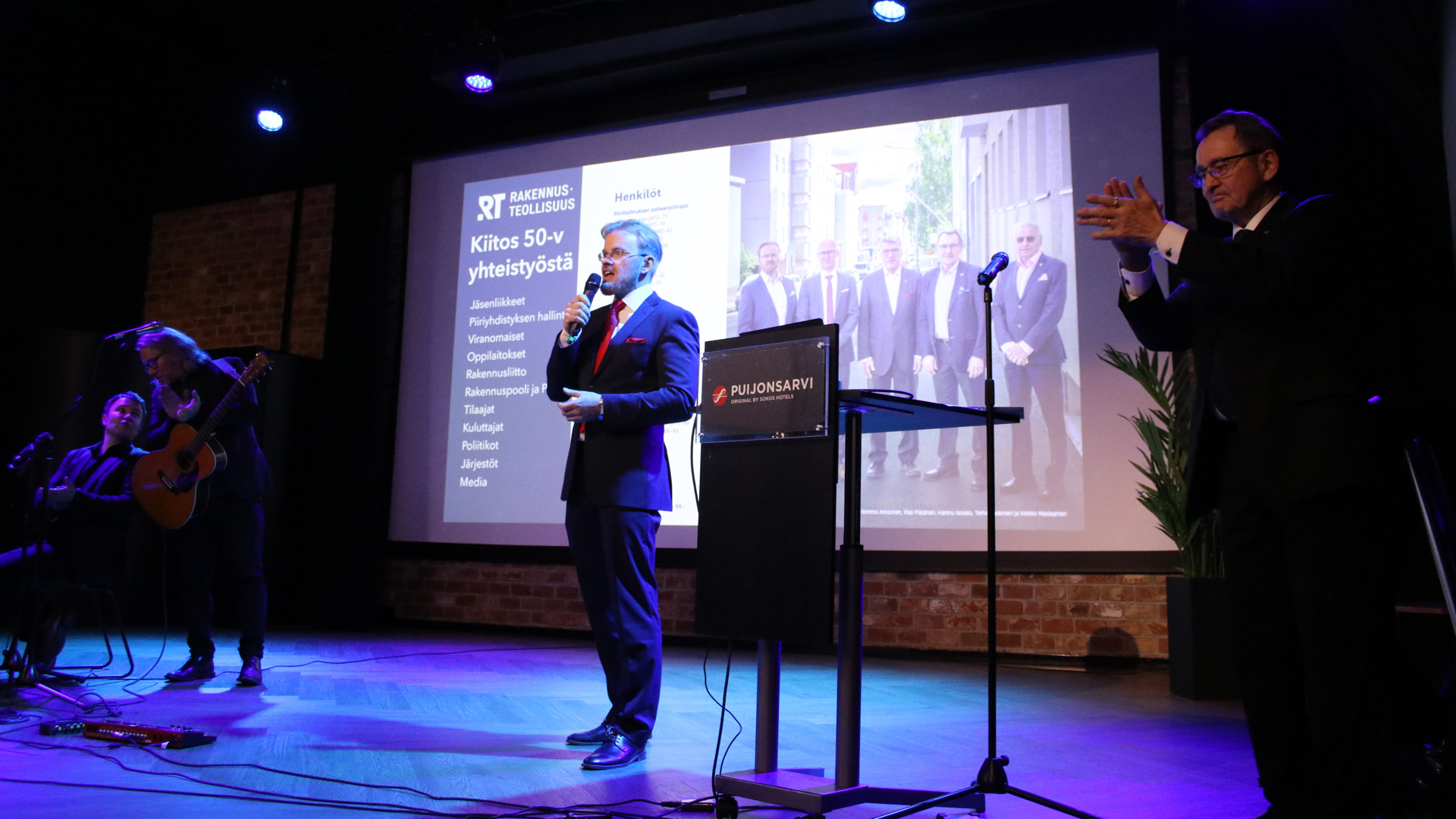
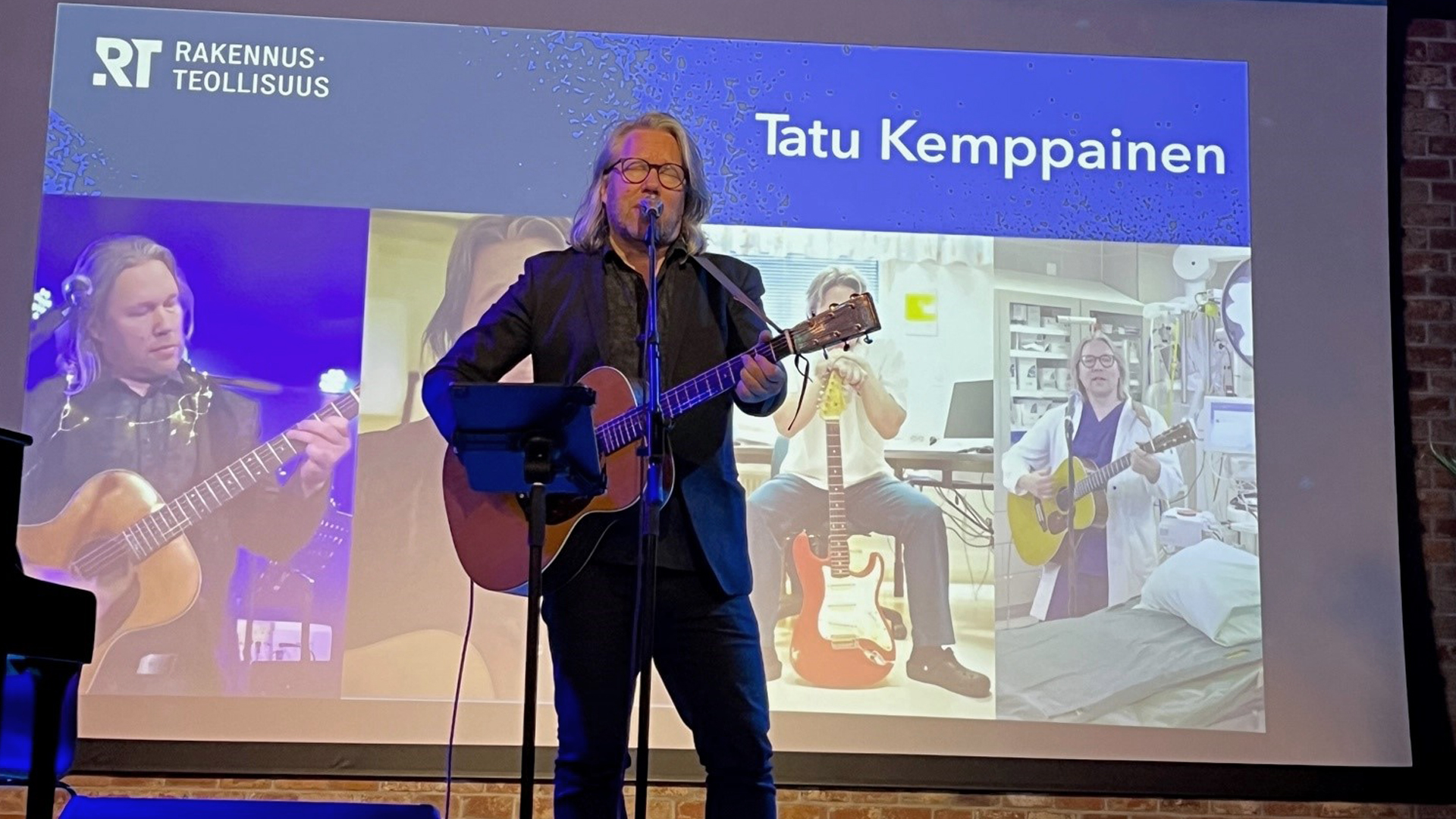
Musicians from Kuopio were responsible for the cultural program of the 50th anniversary Tatu Kemppainen, Ossi Jauhiainen ja Juho Kelo. The plot of the party Tiina Naumanen.
Text and pictures: Ilpo Lommi
Read the 50-year history here
House building industry Eastern Finland district chairmen
- 1972-77 Veikko Hiltunen
- 1977-79 Brother Rautiainen
- 1980-82 Jouko Soukkanen
- 1983-91 Hannu Isotalo
- 1992-93 Väinö Korhonen
- 1994-96 Eero Niskanen
- 1997-99 Marja Sunikka
- 2000-06 Keijo Tervo
- 2007-12 Terho Kaskinen
- 2013-15 Tarmo Stjerna
- 2016- Pasi Pitkänen
- Honorary chairman Hannu Isotalo 1993
- Honorary member Jouko Soukkanen 1993
Responsible district agents / Regional managers
- 1960-88 Seppo Timonen
- 1989-2014 Veikko Matikainen
- 2014- Kimmo Anttonen