Energy efficiency, low-emission renewable energy and low-carbon materials and reuse of construction products are the means by which Skanska aims to be carbon neutral. It also encourages its customers to use carbon fiber solutions.
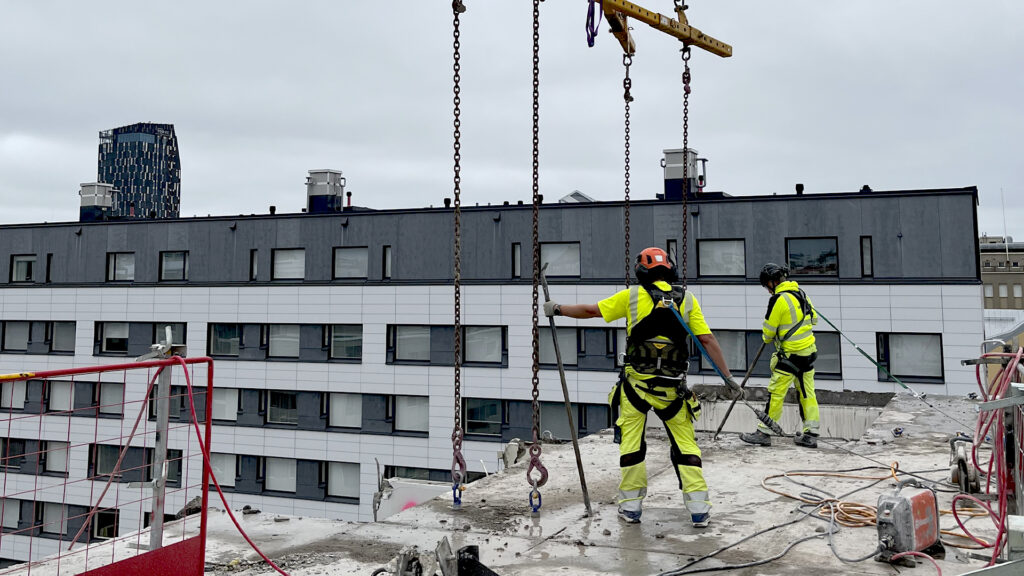
Home buyers especially appreciate a good location, everyday practicality and high-quality design. However, environmental issues are becoming more interesting every day.
When buying a new apartment, consumers assume that they will get a better apartment than the old housing stock, also in terms of environmental aspects. For example, solutions that improve energy efficiency and solar panels also directly affect the residents' expenses.
Skanska's goal is to be carbon neutral by 2045 in all its business areas and in the entire value chain. Our own housing and office development projects act as sponsors, where Skanska decides everything from planning to implementation and sets voluntary carbon footprint targets.
Own projects in the best energy class
Skanska is not content to only look at its own operations in emission reduction talks. The company also encourages its developer customers, i.e. companies and public organizations that order, for example, rental apartment buildings, offices or schools.
Laura Eklund, Skanska Finland's environmental manager, says that there are discussions with customers about which means of reducing emissions are best suited for each project.
One effective method is the utilization of low-carbon materials. Skanska's goal is to offer customers the opportunity to use low-carbon concrete in all its projects.
Reducing the carbon footprint can also be aimed at with lighter structural solutions and by reducing the building's operating time
energy consumption. The company's own housing and office projects are A energy class.
At Skanska, the development and evolution of low-carbon building materials is actively monitored. In addition to concrete, Eklund mentions cement and steel.
The use of low-carbon materials is still limited to some extent by price and availability. However, the situation is constantly improving.
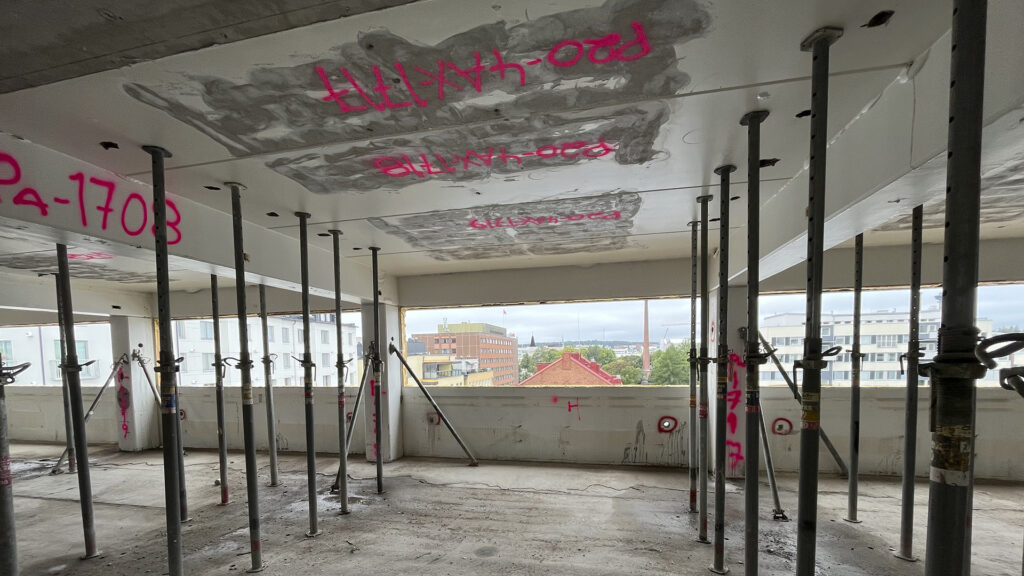
Circular economy solutions save natural resources
By optimizing the use of resources and promoting the circular economy, in addition to emissions, the consumption of natural resources and often also the costs are reduced. Eklund mentions the ReCreate research project, in which Skanska is involved, as an example of a circular economy. The project researches and develops the reuse of concrete elements from demolished buildings.

"Solutions related to the promotion of the circular economy must be easily accessible, because the project schedules are tight."
Skanska's environmental manager Laura Eklund
Eklund's hope is that the availability of reusable materials will improve and that it will be possible to choose the most appropriate material for each project. He mentions a brick as an example. The builder should have the option to choose basic brick, low-carbon brick or reusable brick.
Promoting the reuse of construction products is also Skanska's focus in the Circular Economy green deal agreement, which the company is one of the first to join. With the agreement, Skanska undertakes to reduce the use of natural resources.
The construction industry has identified the steps that still need to be taken on the way to low carbon. Low-carbonization of materials and energy efficiency play key roles, but solutions aimed at reducing emissions from transportation and construction site operations are also needed. Reducing the carbon footprint of traffic and reducing local emissions are also goals of society as a whole.